
How to test your PNW lawn soil before buying amendments
Get a useful lawn soil test, collect a representative sample, and turn the report into a fertilizer and lime shopping list.
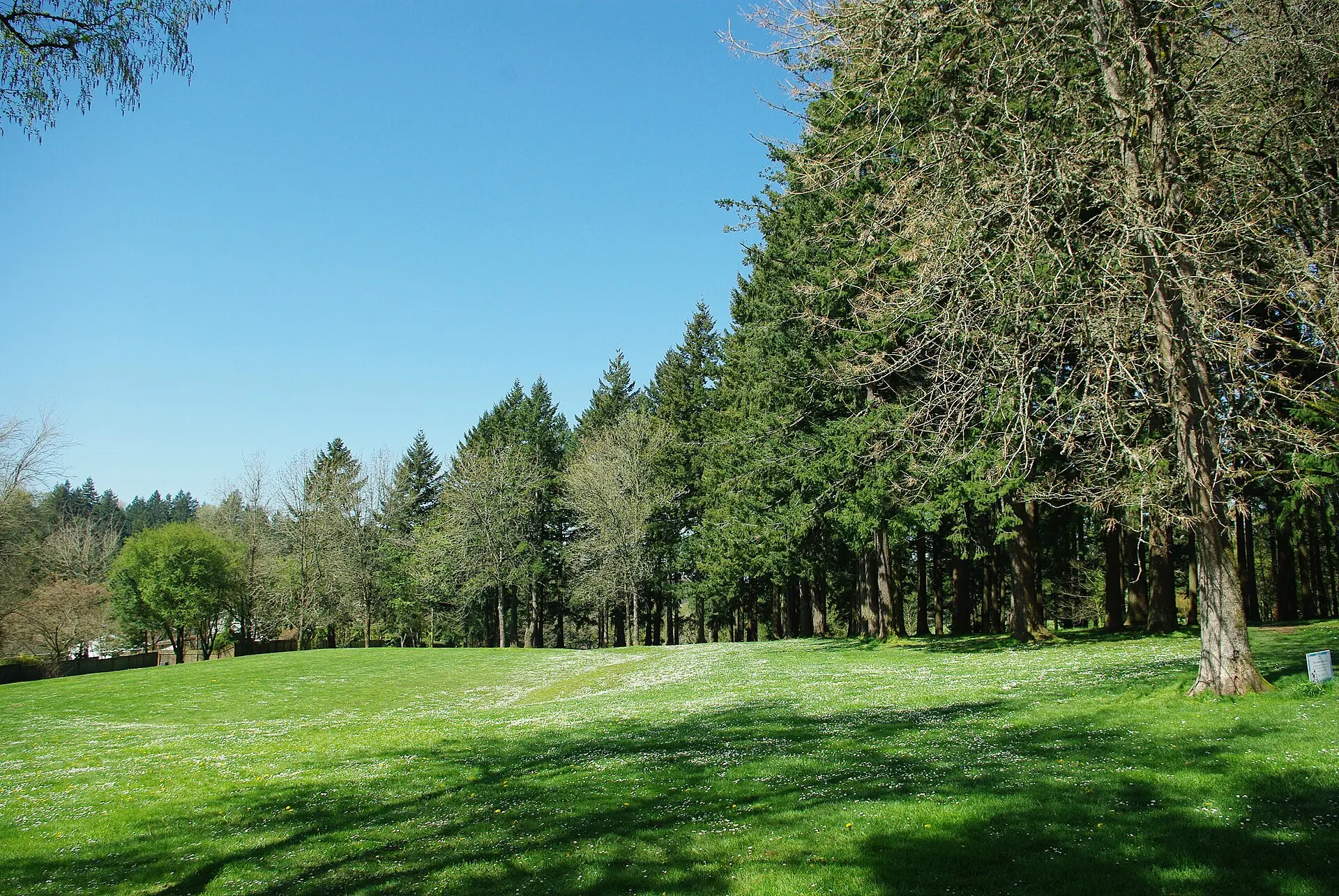
Read the guidePhoto: Shixart1985 · CC BY 2.0 · Resized for layout

Grow the lawn your patch of the Northwest can support.


Get a useful lawn soil test, collect a representative sample, and turn the report into a fertilizer and lime shopping list.
Read the guidePhoto: Shixart1985 · CC BY 2.0 · Resized for layout

Use grass species, actual growth and the one-third rule to set a mowing routine that survives spring growth and summer stress.
Read the guidePhoto: Shixart1985 · CC BY 2.0 · Resized for layout

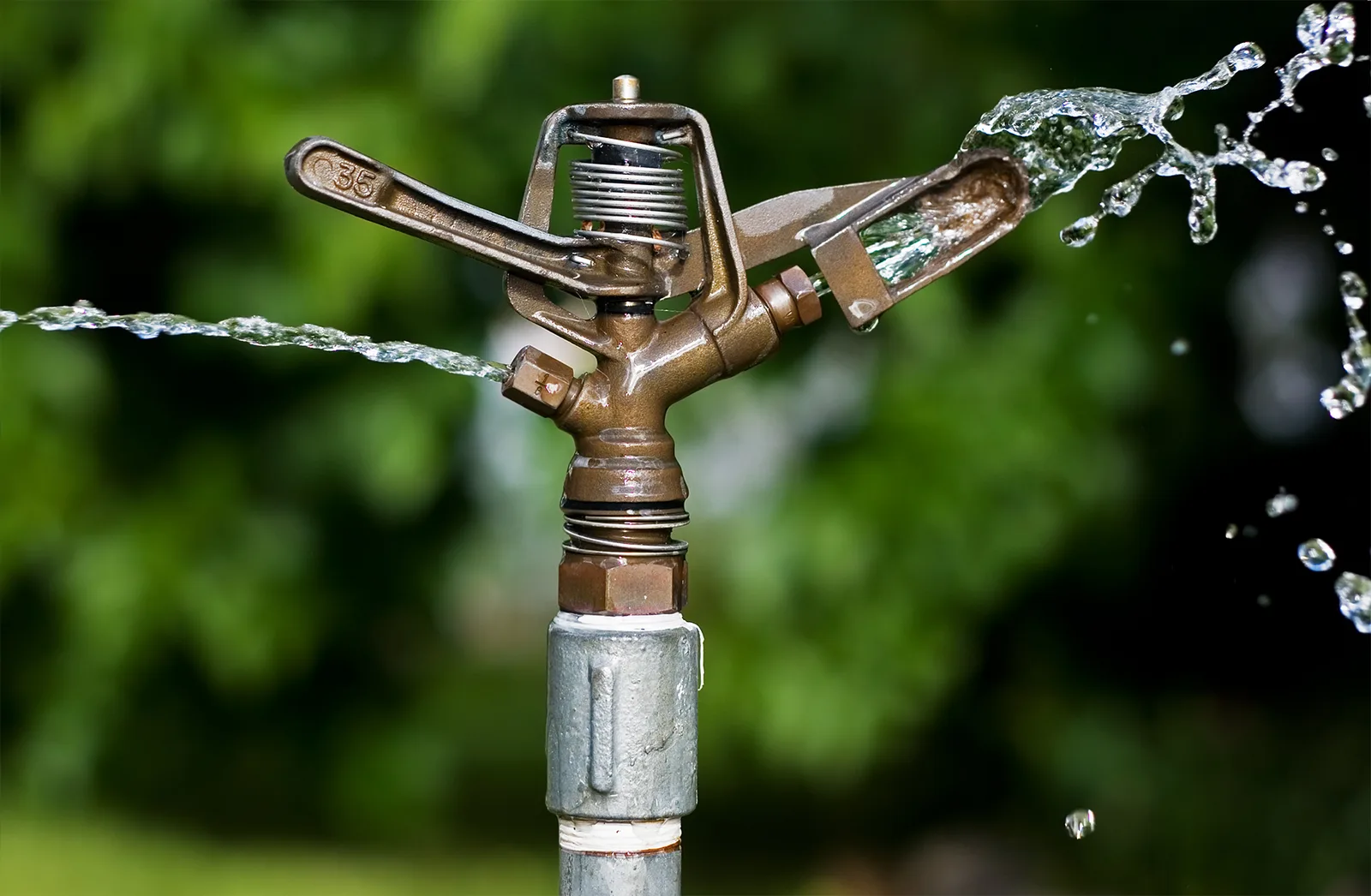
Measure sprinkler output, calculate runtime and adjust for west-side rain, coastal conditions, dry interior summers and new seed.
Read the guidePhoto: JJ Harrison · CC BY-SA 3.0 · Resized for layout

Choose a realistic growing window, prepare bare patches and give cool-season grass seed consistent moisture without flooding it.
Read the guidePhoto: Another Believer · CC BY-SA 3.0 · Resized for layout

Tell compacted soil from excessive thatch, choose the right rental machine and time disruptive lawn work for recovery.
Read the guidePhoto: Dereckson · CC BY 4.0 · Resized for layout

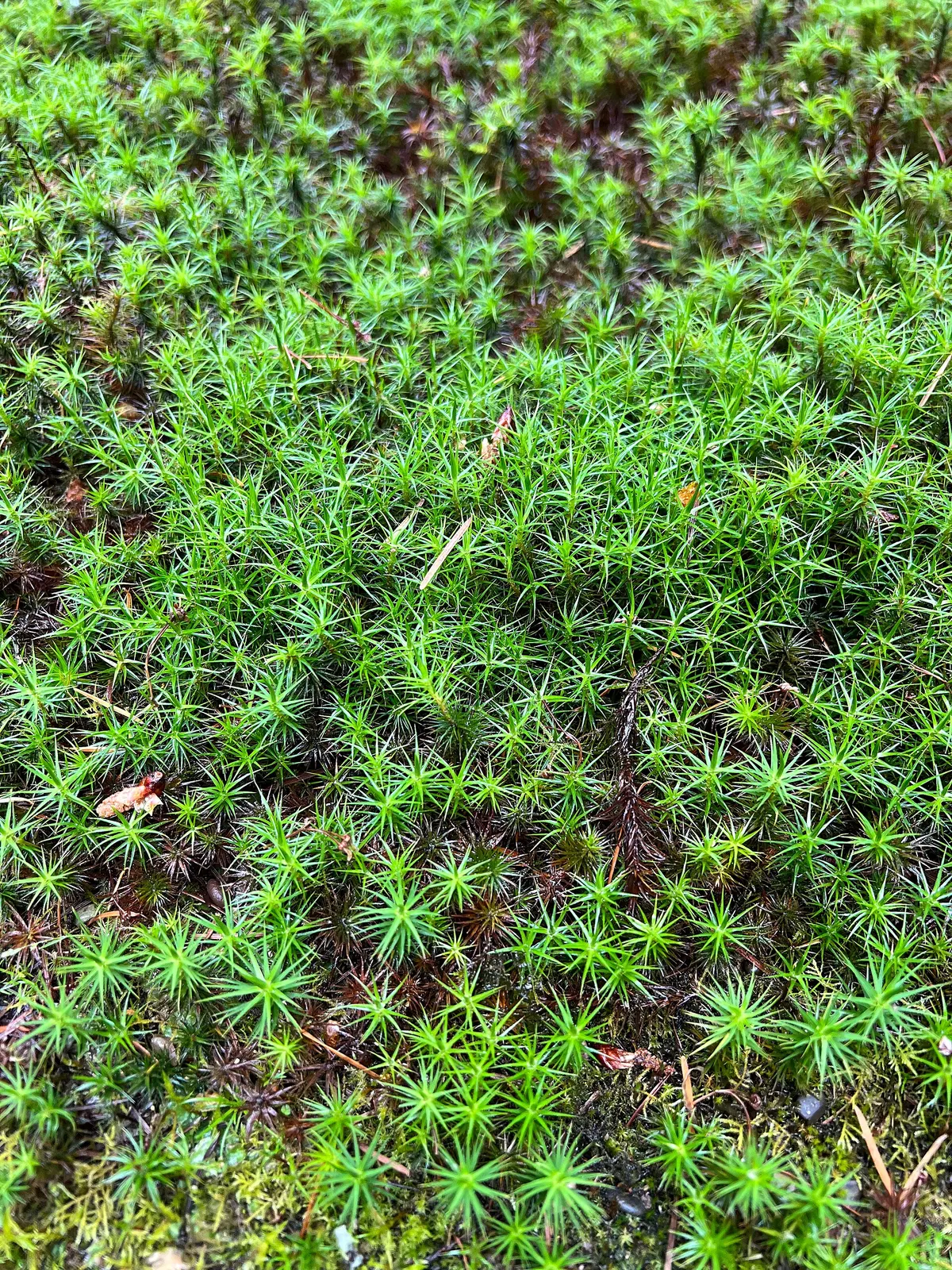
Use light, drainage, mowing and soil information to manage lawn moss, with pesticide-free and labeled-treatment options.
Read the guidePhoto: Z3lvs · CC0 · Resized for layout

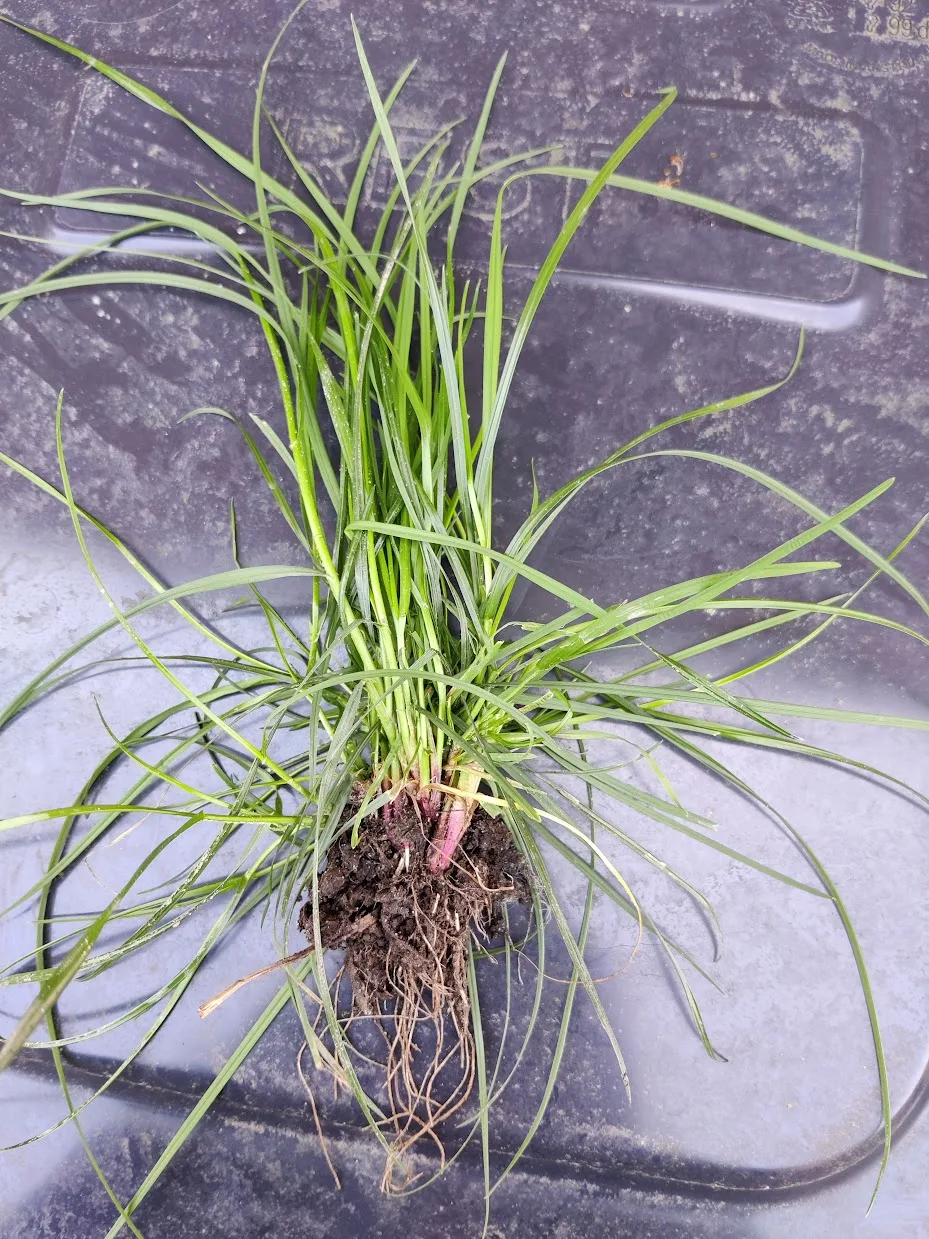
A practical route from weed identification to hand removal, denser grass or a carefully chosen labeled lawn treatment.
Read the guidePhoto: M.O. Stevens · CC BY-SA 3.0 · Resized for layout

Track where water comes from, distinguish compaction from grading problems and choose sensible next steps before installing drains.
Read the guidePhoto: JJ Harrison · CC BY-SA 3.0 · Resized for layout

Compare irrigation, dog traffic, spills, mowing and disease clues so a brown lawn patch leads to the right investigation.
Read the guidePhoto: M.O. Stevens · CC BY-SA 3.0 · Resized for layout

Match grass to light and moisture, protect established trees and recognize a site that would work better without turf.
Read the guidePhoto: Z3lvs · CC0 · Resized for layout

Choose a seasonal feeding window by climate, grass growth and soil need, then calculate the actual nitrogen in the product you buy.
Read the guidePhoto: Shixart1985 · CC BY 2.0 · Resized for layout
Read the seed label, match ryegrass, fescues and bluegrass to the site, and compare value using the contents rather than the bag's name.
Read the guidePhoto: Aramvk · CC BY 4.0 · Resized for layout

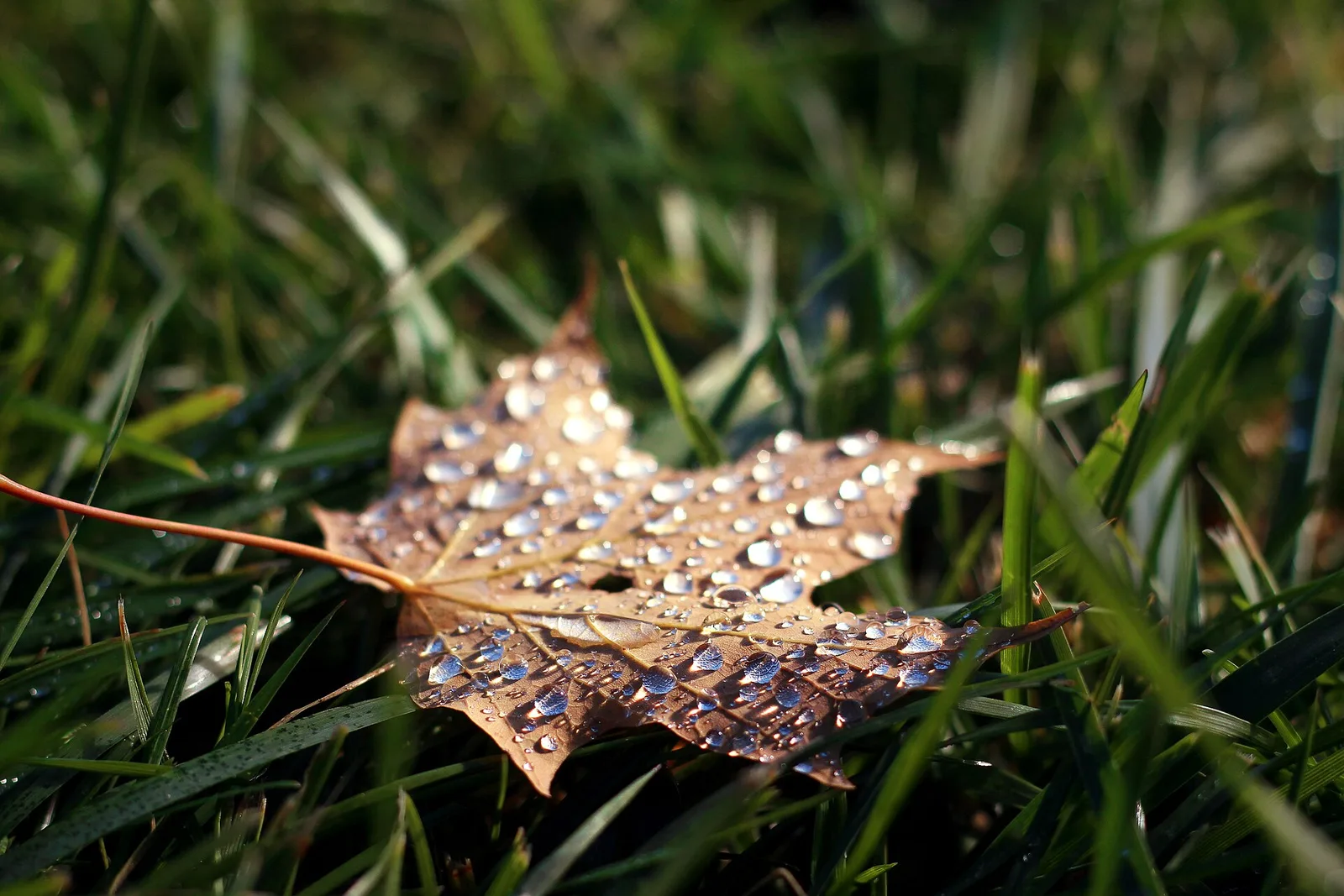
Protect grass from wet leaf mats while keeping useful leaf litter in suitable beds, away from trunks, paths and storm drains.
Read the guidePhoto: Autumn Mott autumnmott · CC0 · Resized for layout

Compare mounds, surface runways and plant damage, protect vulnerable trees and choose a proportionate response without hazardous home remedies.
Read the guidePhoto: Shixart1985 · CC BY 2.0 · Resized for layout