Shade tolerance is not the ability to thrive without light. A lawn under trees also shares water and rooting space, and may stay wet for long periods. Before buying another shade seed mix, measure the site's light and decide how the area will be used.
- Observe light with deciduous trees in leaf, not only in winter.
- Choose a grass suited to both the light and the moisture conditions.
- Protect tree roots and consider a non-turf design where grass repeatedly fails.
Describe the shade rather than naming the bag
Record morning, midday and afternoon light on a clear day. A north-facing wall, an open tree canopy and a dense evergreen stand create different conditions. Repeat the observation when deciduous leaves are present. A sunny February photograph can overstate what the grass will receive in June.
Also note air movement, irrigation coverage, exposed roots and foot traffic. A strip used as the route to the shed has a wear problem as well as a light problem. Reducing that traffic may help more than increasing seed or fertilizer.
Use species guidance with the wet-shade caveat
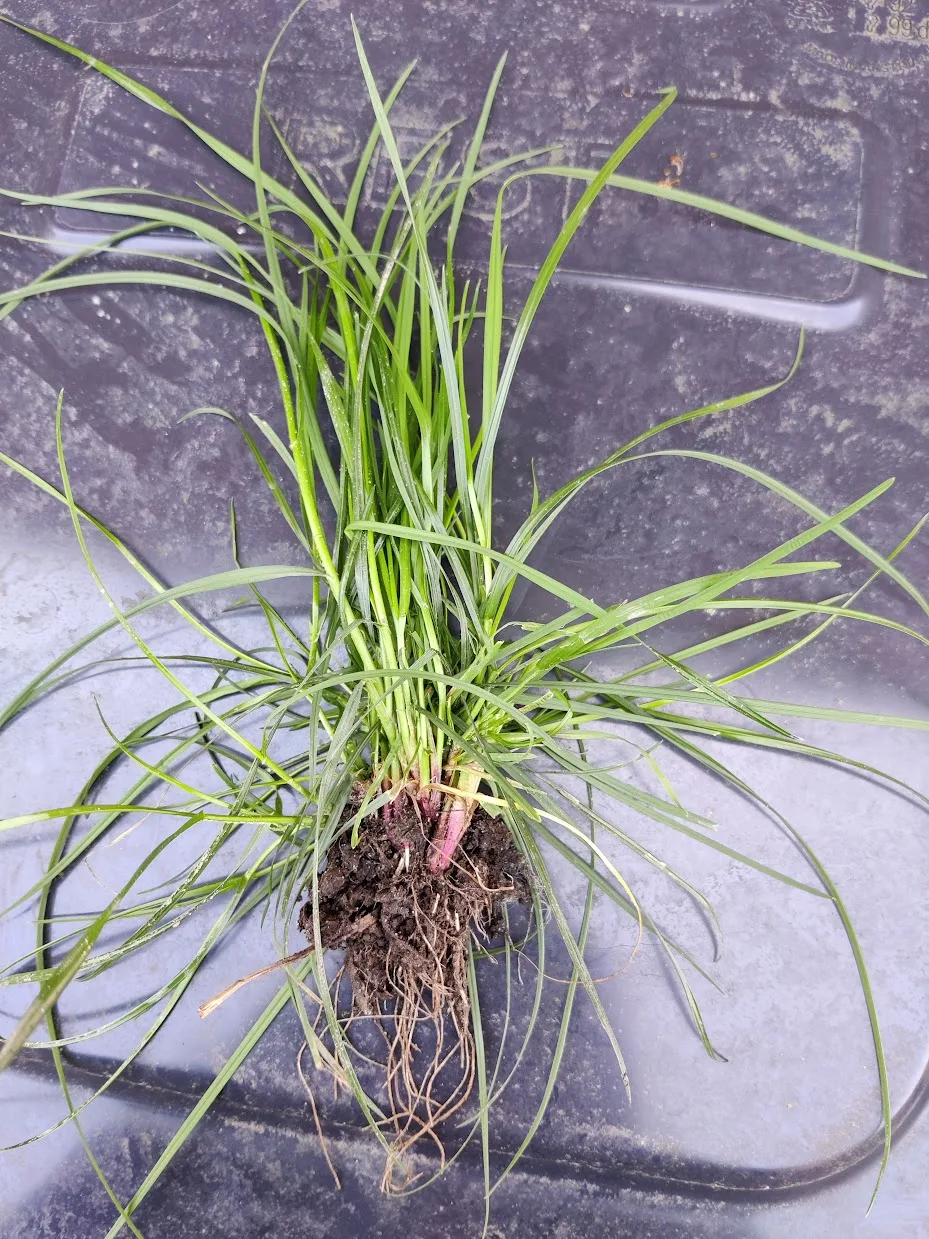
Fine fescues often appear in shade mixtures because they tolerate lower light than several common lawn grasses. That does not make every fescue suitable for every shaded PNW site. OSU notes that the wet, poorly ventilated shade typical of some west-side yards can encourage fungal problems in fine fescue.
Dry interior shade differs from a continuously damp coastal corner. Use a regionally appropriate mix and a realistic maintenance plan, and avoid assuming a sun-and-shade label guarantees results. Even a good mix may remain thin where direct light is very limited. A small test area can reveal more than repeatedly renovating the whole yard.
Keep the trees healthy while choosing a surface
Do not cut substantial tree roots, raise the soil level around a trunk, or radically prune a canopy as a routine lawn fix. Established trees are valuable parts of the property. Ask an appropriately qualified arborist about tree work and local requirements before making changes intended to admit more light.
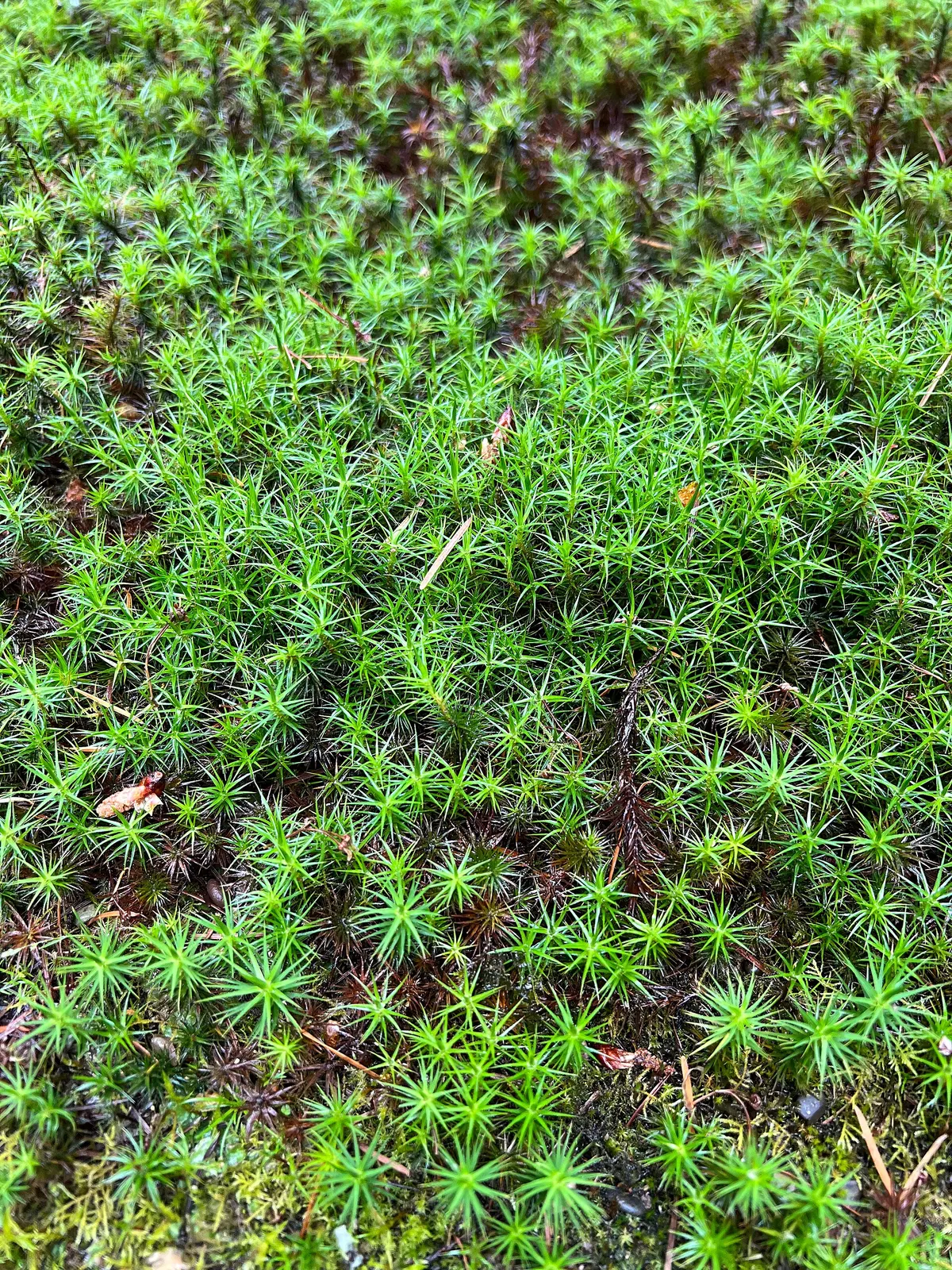
A lightly used corner may work as a planted shade bed, a suitable mulch surface, or an accepted moss area. A high-traffic route may need a properly designed path. Choose plants and materials for your site, pet use and local invasive-plant guidance. Where turf remains, avoid overwatering the shaded part simply to meet the schedule of the sunny lawn. Renters can often make progress by rerouting movable items and documenting conditions while seeking permission for permanent changes.
Questions that come up
What is the best grass for full shade?
There is no grass that removes the need for enough light. Fine fescue may suit partial shade, but persistent wetness and very low light can make a lawn alternative more practical.
Should I fertilize shaded grass more?
Not automatically. Match nutrition to actual need and growth. Extra fertilizer cannot replace sunlight and may produce growth the site cannot support well.
Sources & further reading
Independent guidance, with regional extension and primary references. The linked product label and local conditions take priority over a generic schedule.
- Choose the right grass for your Oregon lawnOregon State University Extension
- Managing moss in lawns in Western OregonOregon State University Extension
- Home LawnsWashington State University Extension