A mowing calendar is a reminder to look at the grass, not an instruction to cut it. Your useful interval changes as cool-season grass speeds up in spring, slows in summer heat, and responds to rain again. Measure the leaves before deciding whether it is mowing day.
- Identify the grass and choose a suitable height for that species and site.
- Remove no more than about one-third of the leaf height in a pass.
- Leave short, evenly distributed clippings; avoid wet clumps and wheel ruts.
Set a height you can maintain
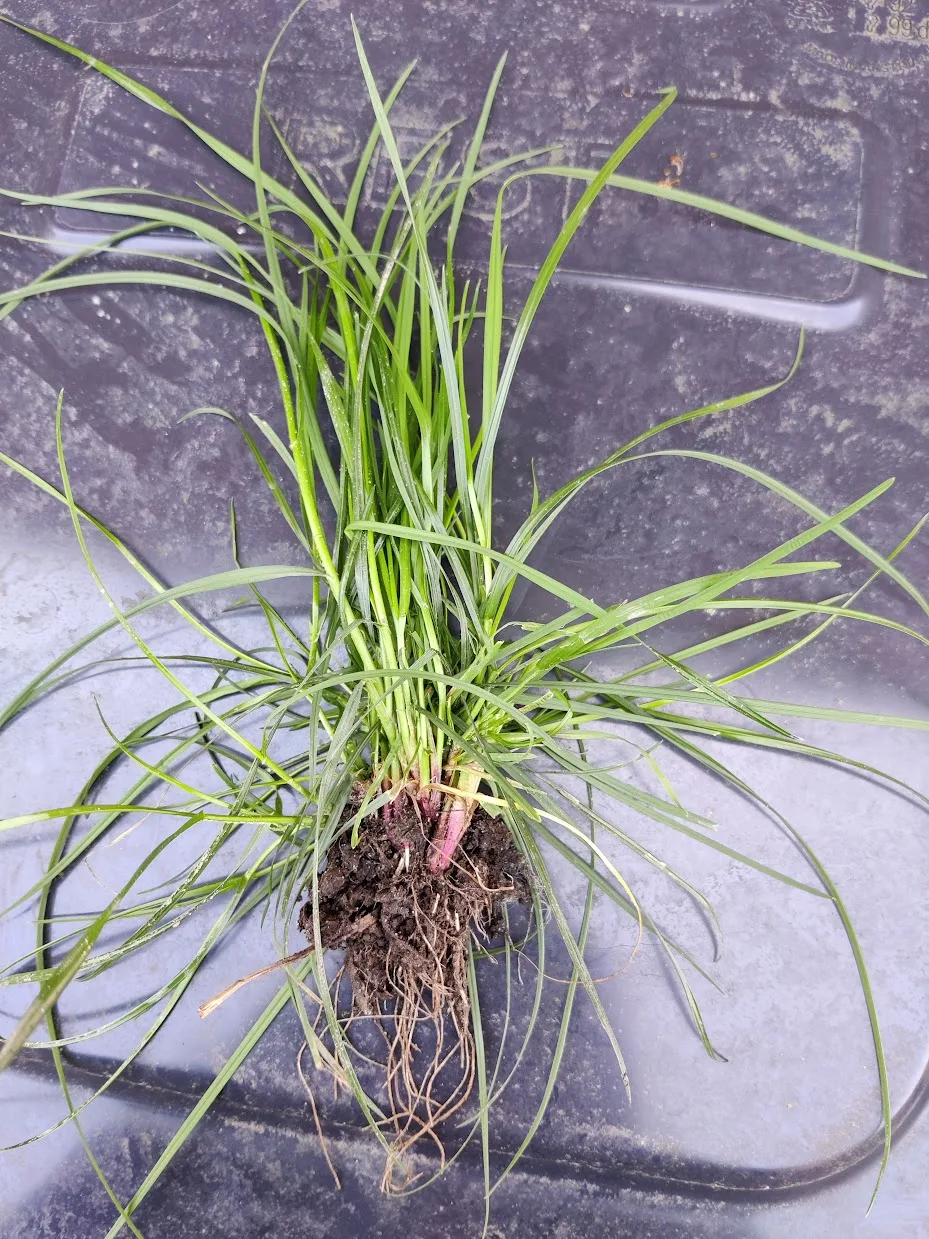
A higher utility-lawn setting can be practical, but there is no single ideal height for all PNW grasses. Fine fescue, turf-type tall fescue, perennial ryegrass and established bentgrass lawns do not all behave alike. Use the species recommendation from regional Extension guidance, then check that the surface is dense rather than floppy, scalped or constantly clogged.
The one-third rule makes the next cut measurable. If your appropriate maintained height is 3 inches, mow before growth substantially exceeds 4.5 inches. That is an arithmetic example, not a universal 3-inch prescription. If you inherit an overgrown lawn, bring it down gradually through several cuts instead of removing most of the leaves at once.
Let weather change the interval
Check fast-growing grass between your usual weekly cuts. It may need another light pass during a mild, wet spring. On a hot, dry interior site or a lawn entering dormancy, postpone mowing when little growth has occurred. A coastal lawn may keep growing when an upland lawn has stopped for the season.
Wait when the ground is soft enough for wheels to sink or when frost covers the blades. Wet clippings also stick together, making an even cut harder. Alternate mowing direction when practical to spread wheel traffic rather than reinforcing the same tracks every week.
Recycle clippings without smothering grass
Small clippings can return nutrients as they break down. Ordinary grasscycling does not create the woody stem-and-root layer called thatch. The key is a modest cut and good distribution. Break up a light clump or make a second pass when conditions are suitable; collect heavy mats that would cover living leaves.
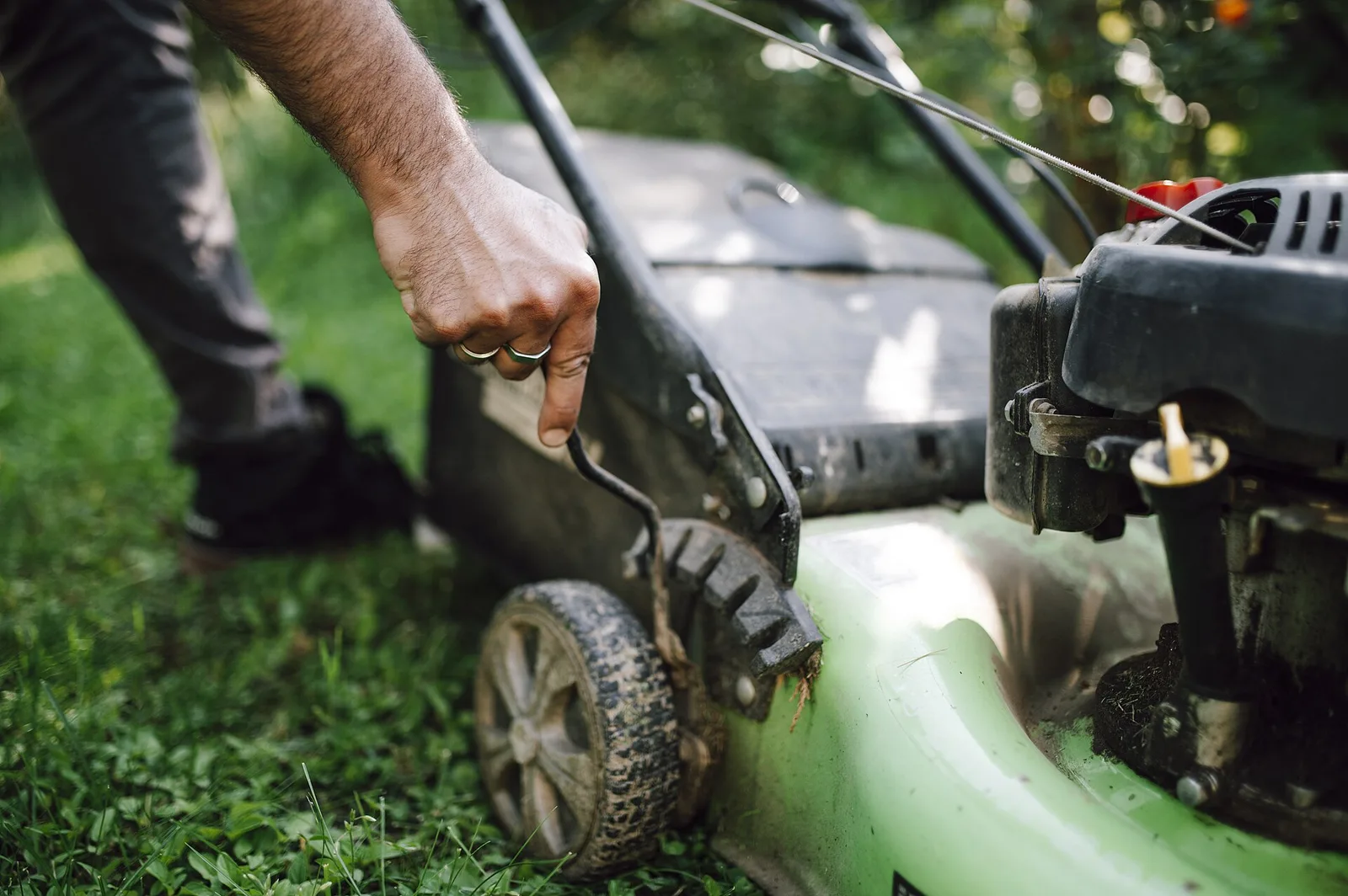
Keep the blade sharp according to the mower manual and disconnect the machine as directed before maintenance. A rental yard rarely needs a premium mower fleet: a maintained mower sized to the lawn and a dependable maintenance routine do more than a complicated collection of attachments. Follow any herbicide label restrictions before using treated clippings in compost or beds.
Questions that come up
Can I mow very short so I mow less often?
Scalping removes too much leaf tissue and can thin turf. Use a height suitable for the grass and cut according to growth rather than trying to buy time with an extreme cut.
Do I need a special mulching mower?
A purpose-designed mulching setup can help, but the essential conditions are short clippings, a sharp blade and even distribution. Follow the mower manufacturer's approved setup.
Sources & further reading
Independent guidance, with regional extension and primary references. The linked product label and local conditions take priority over a generic schedule.
- Grasscycling, C059Washington State University Extension, Spokane County
- How much, when, and how often to mowUniversity of California Statewide IPM Program
- What's your lawn style?Oregon State University Extension