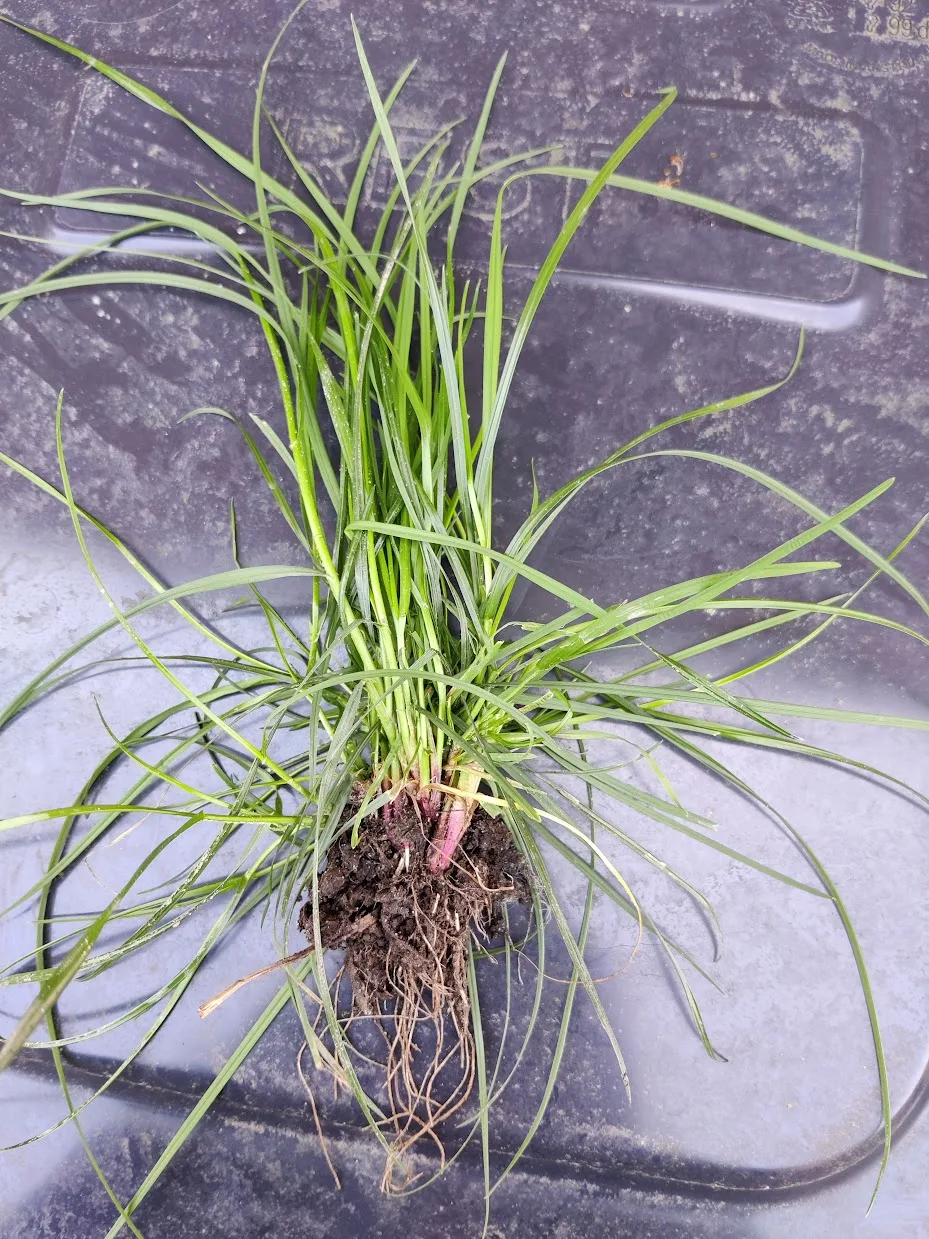
The best seeding date leaves enough growing weather for roots, not just enough warmth for a few green shoots. Plan the watering and traffic control before opening the seed bag. A small, well-prepared patch often succeeds more easily than a rushed whole-yard renovation.
- Late summer to early fall is often favorable; adjust to your elevation and forecast.
- Prepare seed-to-soil contact instead of scattering seed onto a thick mat.
- Keep the seedbed moist during germination, then gradually change the watering pattern.
Choose a window with time to establish
OSU identifies roughly mid-August through mid-September as a favorable period in much of Oregon and describes early May into mid-June as another useful opportunity. Treat those as regional starting points. You need suitable temperatures, available irrigation and several weeks of growth before hard winter conditions or summer stress arrive.
Interior and high-elevation yards need more attention to early frosts and intense summer drying. Mild coastal weather may lengthen opportunities, but waterlogged soil still prevents good work. A late-autumn rainstorm does not automatically make late seeding a good project; you may be better off protecting bare soil and preparing for the next suitable window.
Repair what caused the bare patch
Trace the problem before reseeding. Reroute concentrated foot traffic, repair sprinkler coverage, address persistent ponding, and check whether the site receives enough summer light. A grass mix cannot compensate for a permanent muddy shortcut or deep tree shade.
Remove loose debris and unwanted vegetation by a method appropriate to your program. Loosen the surface of a small patch so seed contacts soil. For a major renovation, assess grading, soil condition and utilities before disturbing the site. Keep fertilizer and lime decisions tied to a soil report and product instructions rather than applying a high-phosphorus starter automatically.
Sow evenly and protect the first weeks
Measure the area, read the seed label, and distinguish the overseeding rate from the bare-ground rate. Divide the measured amount into two portions and cover the area in crossing passes if your spreader instructions allow. More seed is not a substitute for preparation, and it is easy to crowd a patch while leaving its edge thin.
Gently settle seed into the prepared surface. If you use a covering, keep it light enough for seedlings to emerge. Water carefully so the seedbed stays moist rather than puddled, and protect it from dogs and regular foot traffic. After germination, gradually encourage deeper rooting. Make the first cut when seedlings are established enough for the mower and there is actual growth to remove, following the one-third rule.
Questions that come up
Can I seed in November?
Sometimes seed survives, but establishment becomes less predictable as soil cools and growth slows. Check your local climate and forecast; protect the site and wait for a better window when practical.
Should I buy the fastest-germinating seed?
Speed is only one trait. Match the long-term grass species to your climate, light, use and maintenance plan. Temporary annual grass is not equivalent to a suitable perennial lawn mix.
Sources & further reading
Independent guidance, with regional extension and primary references. The linked product label and local conditions take priority over a generic schedule.
- Practical Lawn Establishment and RenovationOregon State University Extension
- Retail Lawn Seed Mixtures for Western Oregon and Western WashingtonOregon State University Extension
- Tip Sheet #11: LawnsWashington State University Extension, Jefferson County