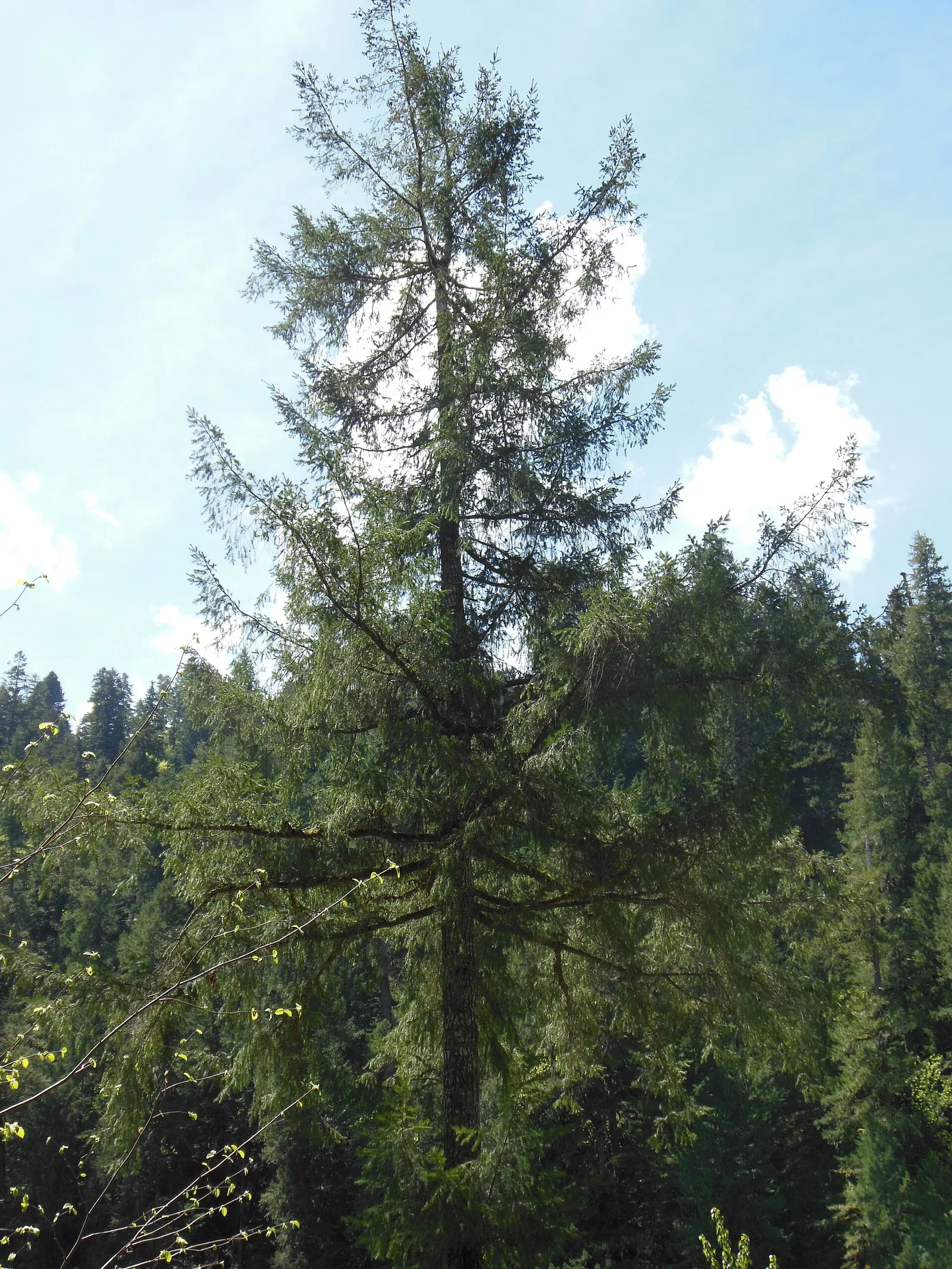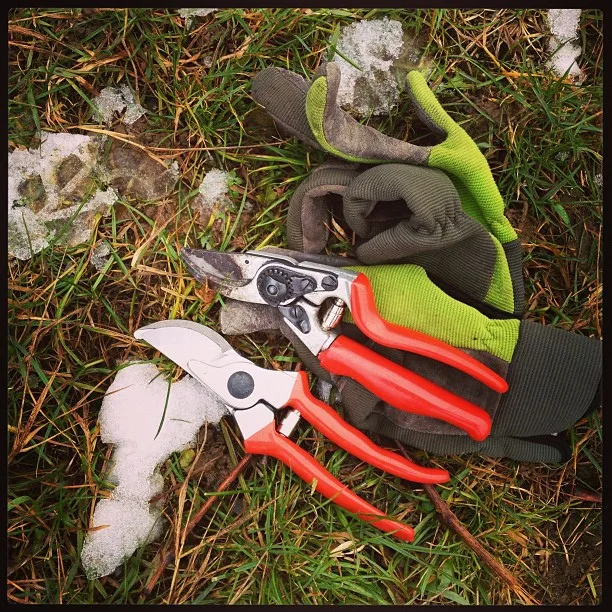
There is no single month when every Northwest tree and shrub should be cut back. Pruning is a decision about a particular plant and a particular branch, not an annual requirement to reduce everything.
- Identify the plant and decide what problem a cut would solve.
- Spring-flowering shrubs often carry flower buds on older growth.
- Work only on small material reachable safely from the ground.
Write the purpose before picking up a tool
Are you removing a dead twig, relieving a rubbing branch, keeping a path usable or controlling a shrub that has outgrown its site? Those are different jobs. A plant repeatedly sheared to fit too-small a space may be better relocated or replaced, with the owner’s permission.
Look at the whole plant first. Mark a few candidate cuts and step back. Check whether the apparent problem is a normal growth habit. Avoid using a hedge trimmer as a universal answer for trees, flowering shrubs and conifers.
Let the plant set the timing
Use this as a planning guide, then check the species.
| Plant or task | Timing question | What to avoid |
|---|---|---|
| Spring-flowering shrub | Does it flower on last year’s growth? Pruning after flowering often preserves the display | Removing all flower-bearing wood in winter |
| Shrub flowering on new growth | Does species guidance favor a late-winter prune? | Assuming all hydrangeas and roses share one rule |
| Deciduous tree structural work | What species, size and local restrictions apply? | A blanket February date for every tree |
| Conifer | What growth habit and pest issues affect this species? | Topping or cutting into old bare wood without species-specific advice |
| Broken or hazardous branch | Does the site need prompt professional attention? | Waiting for a calendar date while people remain exposed |
Keep a small pruning job small
Use a clean, sharp tool that makes the cut without crushing. Understand where the branch collar is and preserve it; cutting flush to the trunk removes protective tissue. For shrubs, selective removal of appropriate stems can retain a more natural form than repeated surface shearing.
If you cannot comfortably control the tool and material with both feet on firm ground, stop. Heavy branches, climbing, work near wires and large removals are professional jobs. Tree topping creates new problems and is not a sensible shortcut to reducing perceived risk.
Plan habitat and follow-up
Before pruning a dense shrub, check for active nests and seek appropriate guidance if wildlife is using it. In less formal garden areas, retaining some healthy pithy stems can support nesting insects; diseased crop debris needs different handling.
Photograph the plant immediately after the work and again as it grows. Record timing and response so next year’s decision is based on the actual plant. In a rental or shared garden, agree the scope before cutting, especially for established shrubs and regulated trees.
Questions that come up
Can I prune every hydrangea in late winter?
No. Hydrangea groups differ in flowering habit. Identify the type before deciding which stems and buds to remove.
Should I top a tree to keep it safe?
Topping is not a substitute for a tree assessment. Ask an arborist for species-appropriate options.
Sources & further reading
Independent guidance, with regional extension and primary references. The linked product label and local conditions take priority over a generic schedule.
- Pruning trees and shrubs: 10-Minute UniversityOregon State University Extension
- How to prune properlyCity of Portland Urban Forestry
- End-of-season garden tasks make for a smoother start in springOregon State University Extension
- Leave behind some stems for bee habitatOregon State University Extension