A tree’s name is the starting point for pruning, watering and planting decisions. Begin with foliage and branching, then confirm with cones, buds or fruit. A single piece of bark is rarely enough.
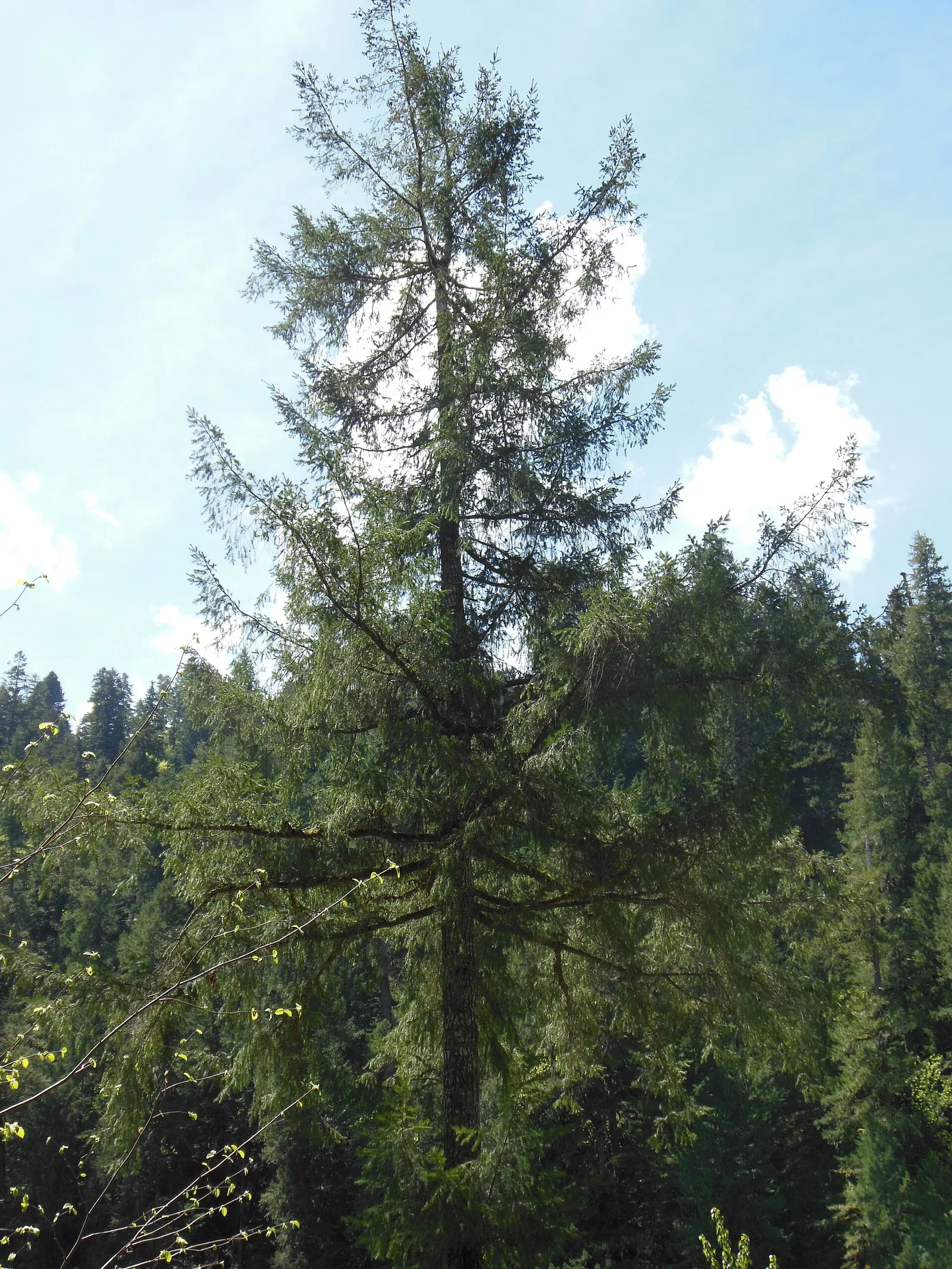
- Photograph the whole tree, a twig and both sides of the foliage.
- Cones and buds often separate look-alike conifers.
- Planted garden trees may come from outside the Northwest.
Start with a few observable choices
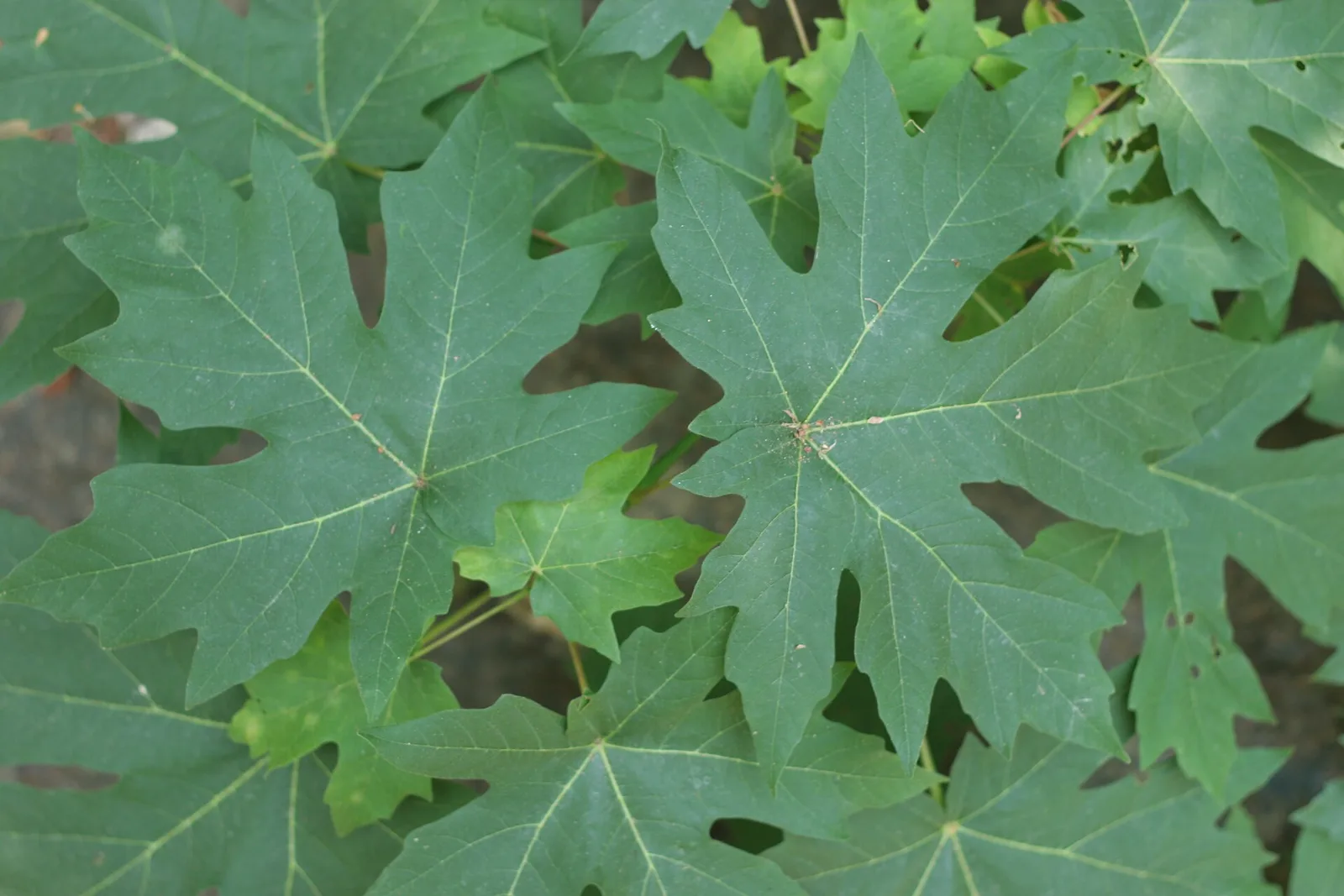
Are the leaves broad or needle-like? If needle-like, are they individual needles, bundles of needles or flattened sprays of scales? For broadleaves, compare opposite leaf pairs with alternating leaves. Record whether the sample came from the tree or merely lay underneath it; cones can travel from another crown.
Use a fallen twig when one is available. Keep the tree intact, especially in a park, sensitive habitat or shared landscape. An identification key works by eliminating choices from visible traits. When a feature is missing, return in another season rather than forcing an answer.
Six useful trees to know
These examples cover familiar lowland and interior trees, not every species planted in Northwest towns.
| Tree | Look closely at | Confirmation clue |
|---|---|---|
| Douglas-fir | Individual needles and large pointed buds | Hanging cones with conspicuous three-pointed bracts |
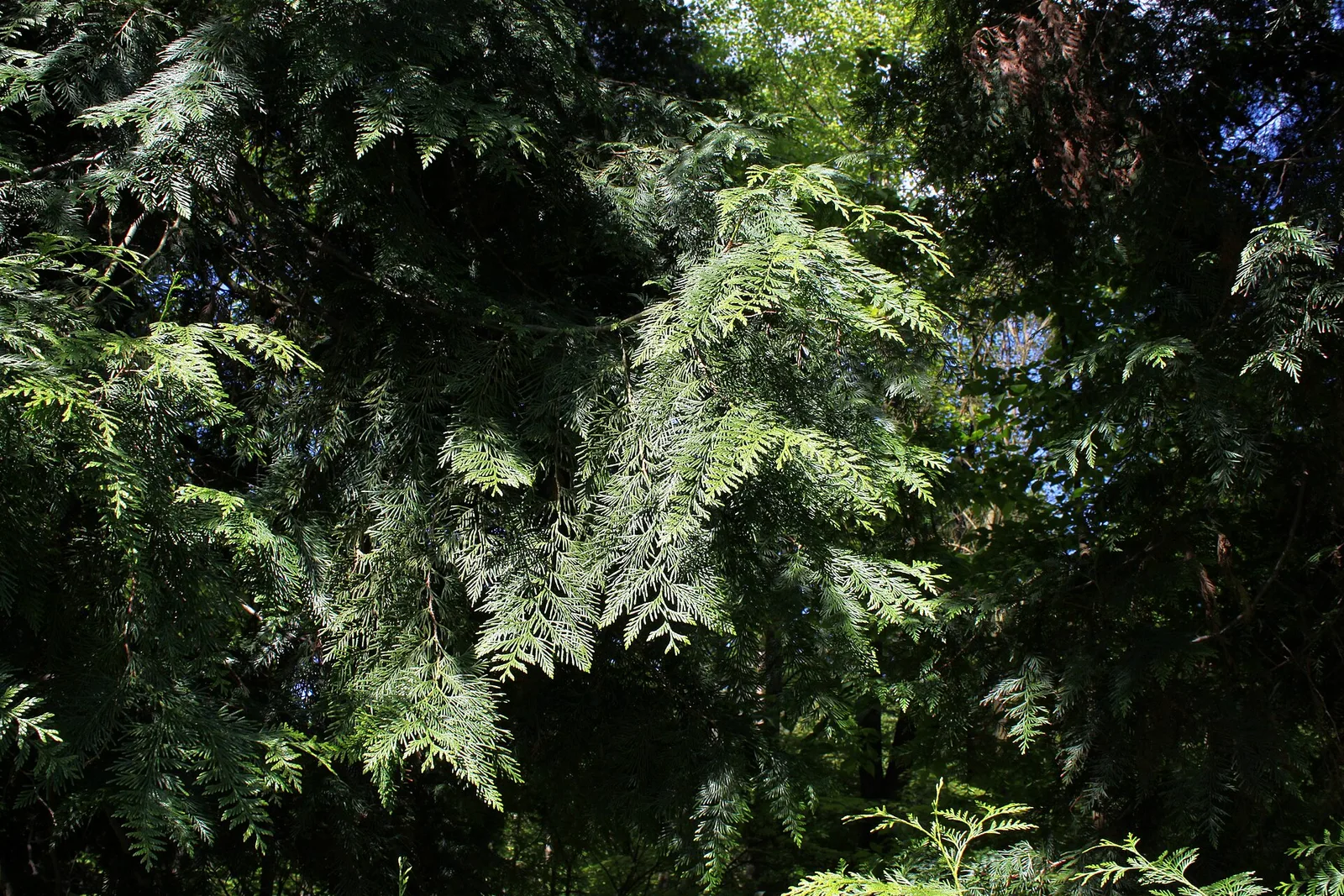
| Western redcedar | Flat sprays of overlapping scales | Whitish butterfly-like markings beneath; small woody cones |
| Western hemlock | Short needles of noticeably different lengths on one twig | Drooping leader and small cones; compare with mountain hemlock |
| Bigleaf maple | Large, opposite, lobed leaves | Paired winged seeds; distinguish from smaller vine maple |
| Red alder | Alternate toothed leaves with rolled-under edges | Small persistent woody cone-like fruits and stalked buds |
| Ponderosa pine | Long needles usually in bundles of three | Mature orange-brown plated bark and prickly cones |
Let habitat narrow the possibilities
A wet western ravine suggests a different starting list from an exposed interior slope. Elevation matters as much as the nearest city. Mountain hemlock needles, for example, tend to be more evenly sized and arranged around the twig than western hemlock needles.
Habitat is supporting evidence, not a substitute for examining the tree. Irrigation and landscaping can put a moisture-loving tree in a dry region. Nurseries also sell nonnative maples, cedars and ornamental cultivars that do not fit a local native-tree shortcut.
Keep an identification record
Make one entry per tree: likely species, date, location, twig photographs, summer exposure and anything uncertain. This becomes a useful property inventory for new owners and renters alike. Add planting dates or previous maintenance records if they are known.
Confirm the name before major work. A tree professional can help with difficult specimens, structural concerns and species-specific care. Do not decide that a tree needs removal simply because its bark, needles or seasonal leaf drop look unfamiliar.
Questions that come up
Is Douglas-fir a true fir?
No. It belongs to Pseudotsuga, a different genus from the true firs, Abies.
Can I identify a winter tree without leaves?
Often, using buds, twig arrangement, bark and persistent fruit. Expect more uncertainty and confirm with leaves when they return.
Sources & further reading
Independent guidance, with regional extension and primary references. The linked product label and local conditions take priority over a generic schedule.
- Dichotomous identification key: common trees of the Pacific NorthwestOregon State University Forestry
- Douglas-fir speciesOregon State University Forestry
- Hemlock genusOregon State University Forestry
- Western redcedarOregon State University Forestry
- Maple speciesOregon State University Forestry
- Alder speciesOregon State University Forestry
- Pine speciesOregon State University Forestry