The wet side has a dry season. That single fact explains many of its lawn and home-maintenance decisions: protect soil through winter, prepare water before summer, and use the shoulder seasons without forcing them.
- Wait for firm soil before mowing or renovation.
- Set summer watering by measurement and current local guidance.
- Use autumn rain to inspect roof runoff and protect grass from heavy leaf mats.
Give winter soil room to recover
Repeated traffic on saturated ground can make a small lawn feel like a permanent repair project. Record the paths people and dogs use, keep heavy equipment off soft patches, and look at shade and drainage before buying more fertilizer. A wet spell may postpone a job even when the air is mild.
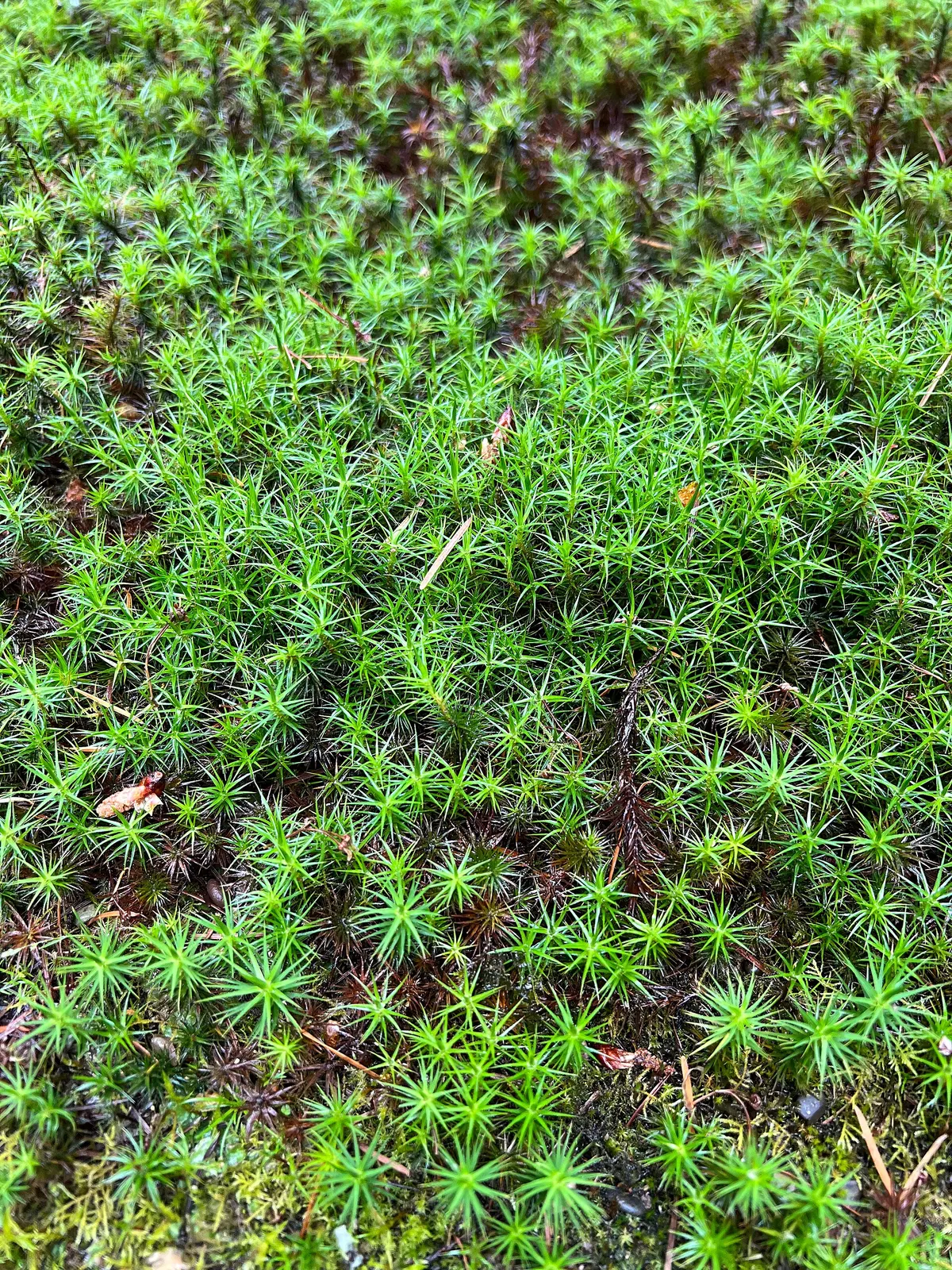
Moss is a clue to conditions, not proof that the entire property needs lime. Separate a shaded mossy corner from the lawn you intend to maintain intensively. A path or planted bed can be a better long-term use for the most difficult patch.
Make the dry-season choice early
For established turf, decide which areas you intend to keep green and whether the grass and site can tolerate seasonal dormancy elsewhere. New seed and young plants have a different establishment schedule. A measured sprinkler test is more useful than a copied number of minutes.
The Portland-area Weekly Watering Number is one local resource. Elsewhere, use your own water provider’s current restrictions and guidance. Neither resource replaces checking the soil or correcting a sprinkler that misses half the lawn.
Use spring and fall as opportunities, not promises
Suitable soil, moisture, grass species and enough growing time determine whether a seed project will establish. Early fall is often productive in western Oregon, with late spring another option; an exposed Seattle yard and a sheltered southern valley can have different windows.
Coordinate the lawn calendar with the home: clear heavy leaf mats, observe downspouts during rain, and arrange safe repairs before repeated storms. Renters should photograph problems and confirm which tasks belong to the owner before changing the grounds.
Sources & further reading
Independent guidance, with regional extension and primary references. The linked product label and local conditions take priority over a generic schedule.
- Lawns: The Pacific Northwest Gardener’s HandbookWashington State University Extension
- Weekly Watering NumberRegional Water Providers Consortium
- Practical lawn establishment and renovationOSU Extension Service