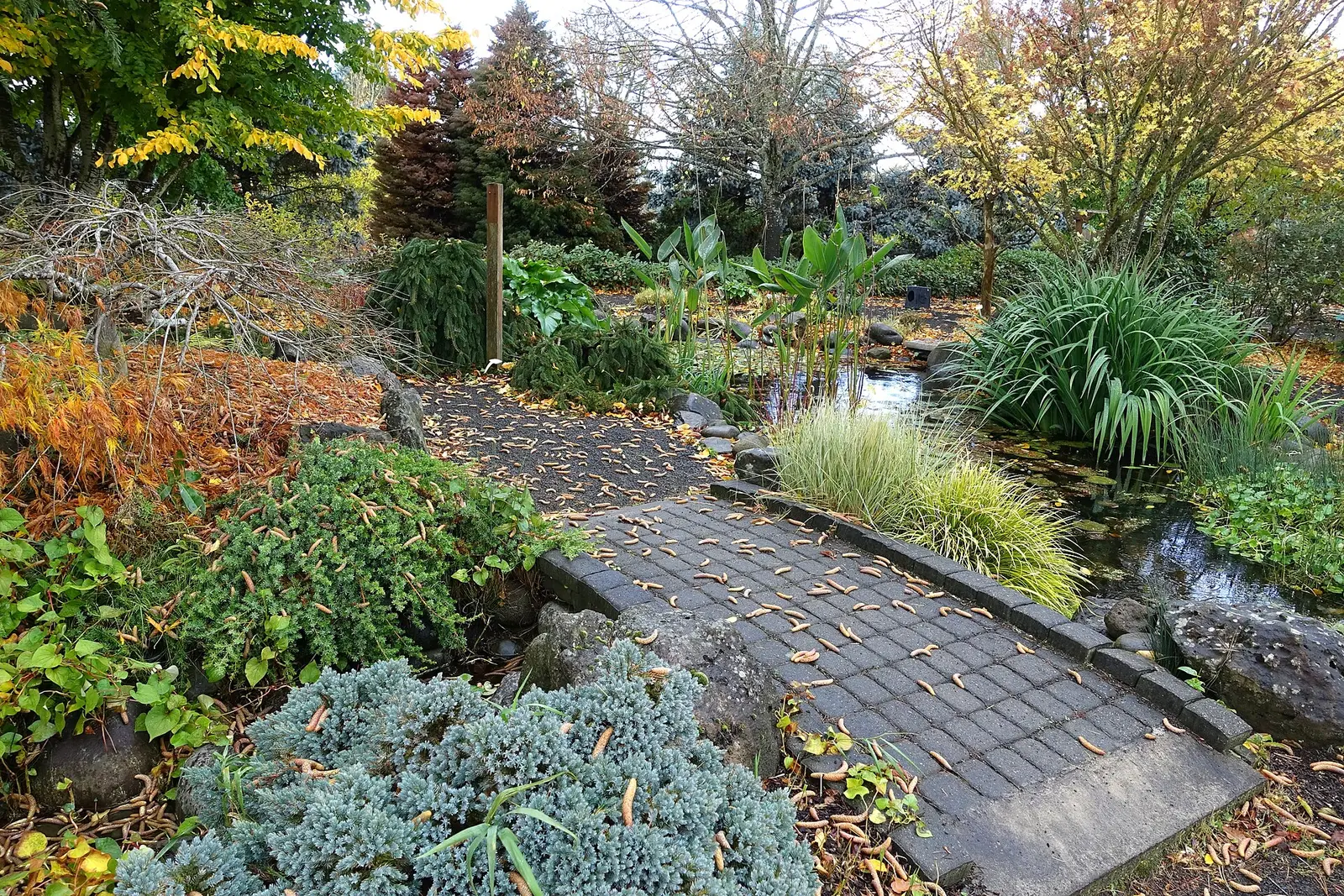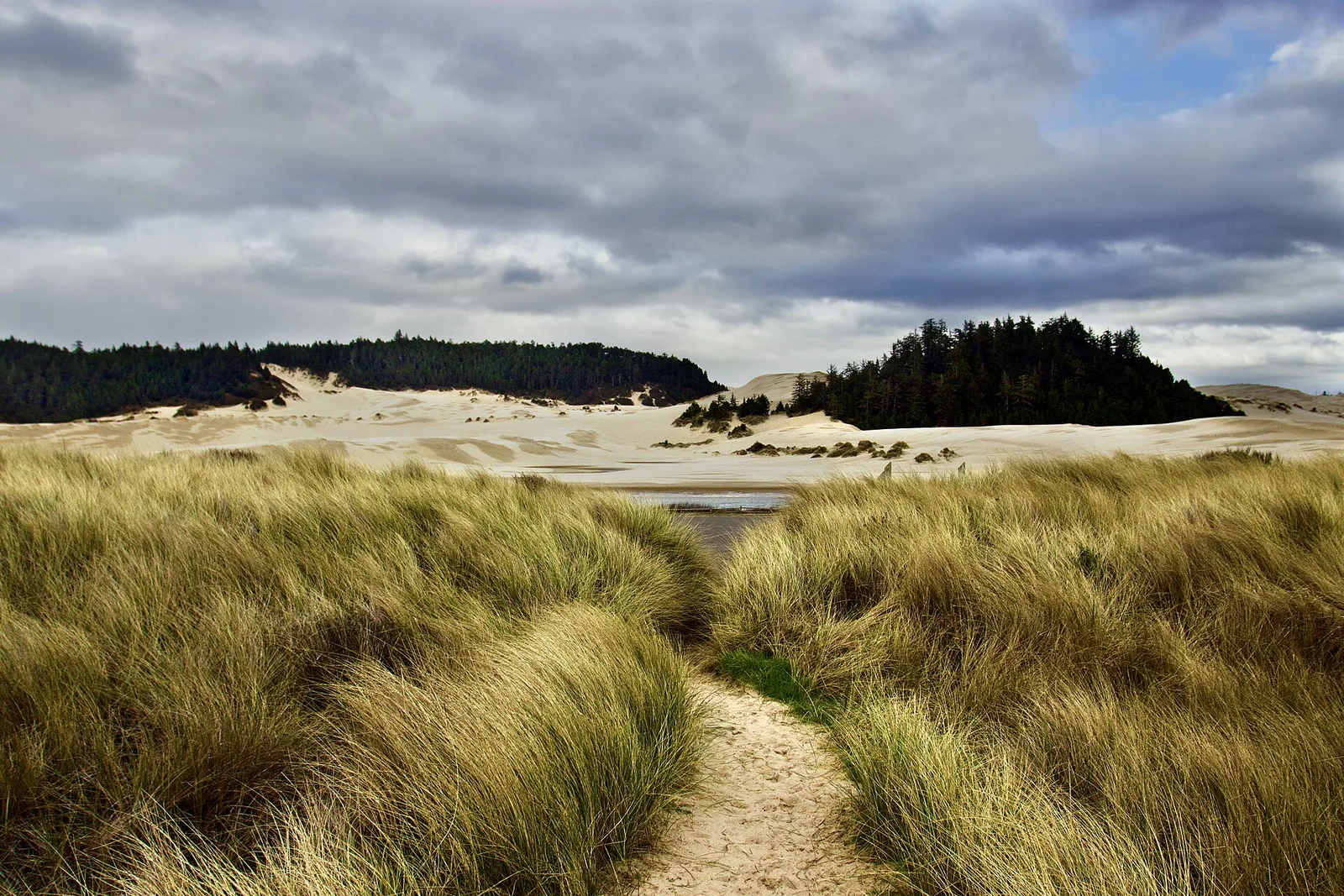
“The coast” is not one growing condition. A garden behind a windbreak and a lawn facing the ocean can have very different problems within the same neighborhood. Start with exposure before following an inland calendar.
- Map wind, salt exposure and sun before selecting plants.
- Treat sandy soil and a wet low corner as separate management areas.
- Use sheltered, stable growing spaces without blocking building ventilation or access.
Observe a windy day and a wet day
Note which edge catches the prevailing wind, which leaves show exposure damage and where soil stays wet after rain. Avoid assuming a mild winter means a warm seedbed. Cool nights and wind can slow a garden while a protected container beside a sunny wall warms sooner.
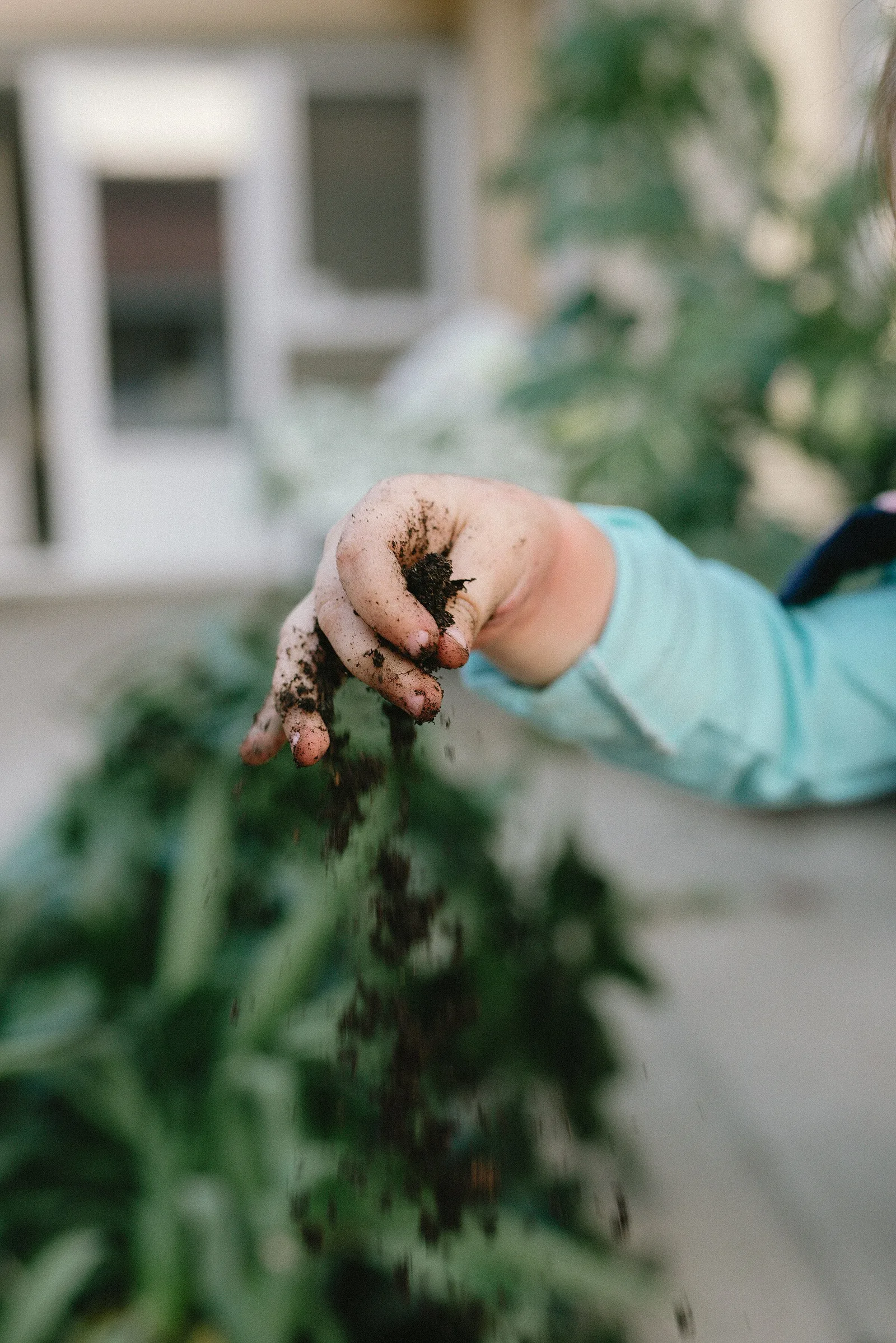
A lawn’s repeated thin strip may reflect exposure, wear or irrigation coverage. A nutrient bag is only useful when the diagnosis and the label call for it. Keep soil-test sampling areas consistent so the exposed edge does not disappear inside an average.
Use shelter thoughtfully
A suitable windbreak can improve the environment for sensitive plants, but its design must fit the site, ownership and local rules. Renters can begin with permitted movable containers and crops suited to the available light. Heavy planters and screens need a stable, approved location.
Many coastal gardens do better by choosing crops and cultivars that match the available warmth. Check a regional vegetable guide for short-season options rather than assuming the same tomato or corn schedule as an inland valley.
Manage water in both seasons
Sandy areas may lose water rapidly during dry weather, while compacted or shaded soil elsewhere stays damp. Check actual moisture in each area. Use a measured irrigation setup, keep spray off pavement and buildings, and watch for runoff rather than making the whole site follow one timer.
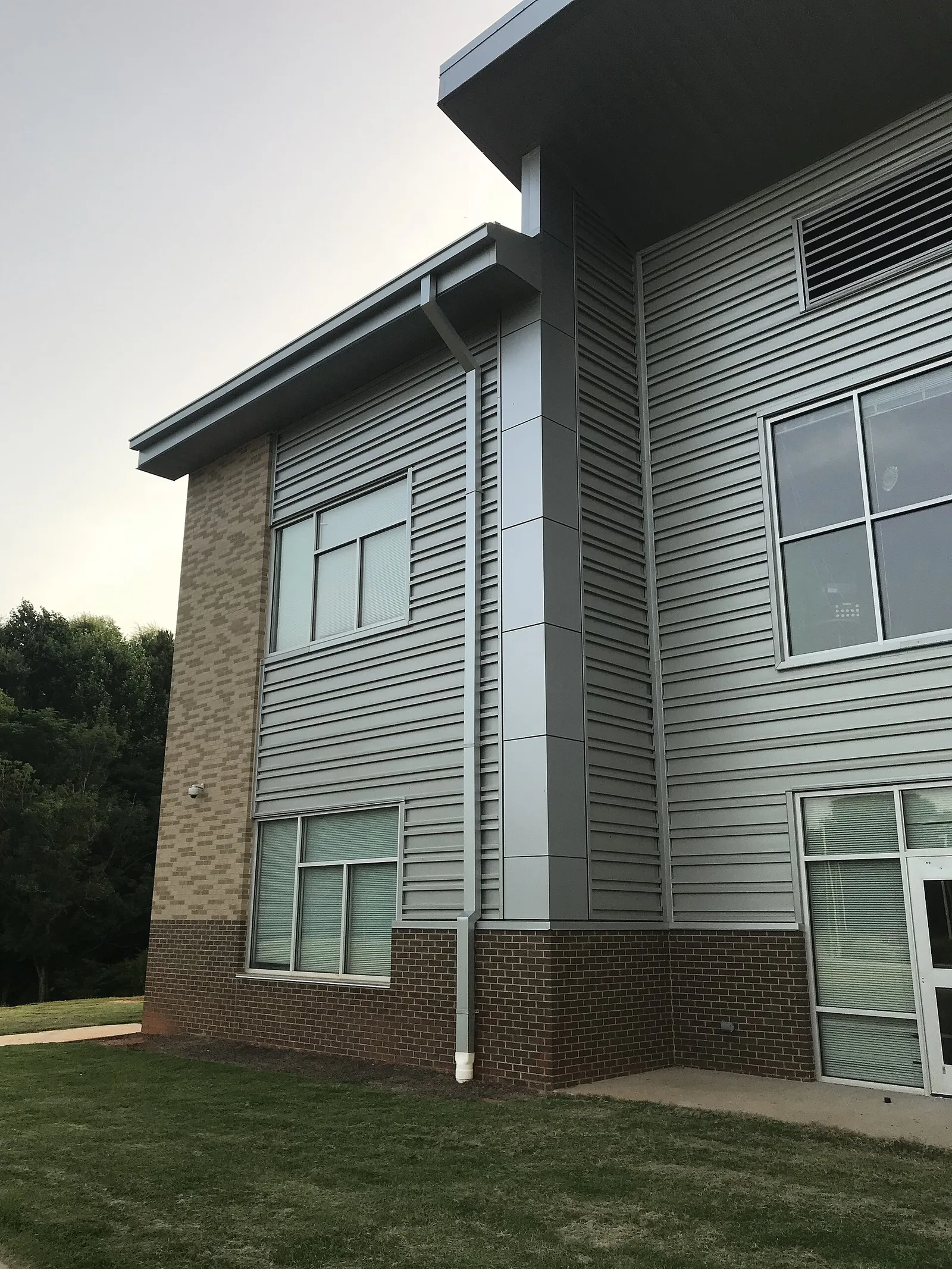
Before storms, look at roof drainage and secure portable outdoor items. Keep the work on firm ground. Exposure changes the pace of maintenance, but it never makes a wet roof or an unstable ladder an ordinary garden task.
Sources & further reading
Independent guidance, with regional extension and primary references. The linked product label and local conditions take priority over a generic schedule.
- Coastal gardening: wind and microclimatesOSU Extension Service
- Growing vegetables in the Pacific Northwest coastal regionOSU Extension Service
- Practical lawn establishment and renovationOSU Extension Service