A conventional lawn can be managed carefully without treating the whole yard for every possible problem. This program permits synthetic nutrients and, when justified, labeled pesticides. It begins with measurement and diagnosis so products support the lawn rather than becoming the maintenance plan.
- Set a realistic appearance and use goal before choosing an annual nutrient budget.
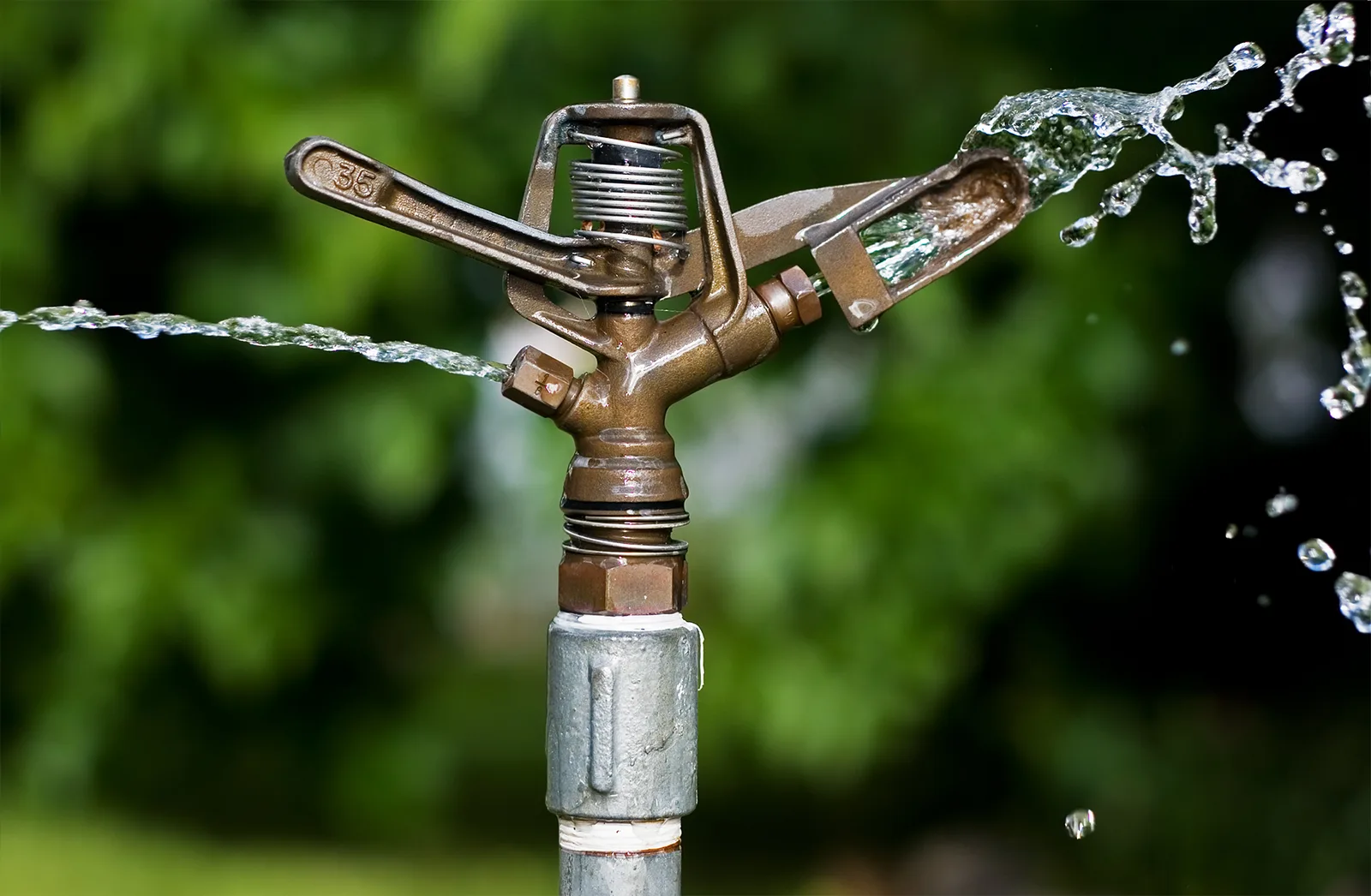
- Calibrate the spreader and irrigation rather than using the same settings everywhere.
- Separate weed, insect and disease decisions from fertilizer applications.
Build a baseline and a short log
Measure the maintained lawn rather than estimating from the whole lot. Identify the grass as closely as practical, note sunny and shaded areas, and test soil where the result will inform nutrients or lime. Decide whether the entire lawn needs the same standard or whether the main play area deserves more attention than a peripheral strip.
Keep a record of actual nitrogen applied, product release type, returned clippings, irrigation and important weather events. A fertilizer's coverage claim assumes a particular label rate; it does not prove that rate suits every lawn. Include any nutrients supplied by combination products so separate applications do not accidentally duplicate them.
Use growth windows for the main work
Spring is an inspection and recovery window once the ground is workable and grass grows. Repair thin areas, calibrate watering and adjust mowing to growth. Choose a feed only when the lawn and regional plan call for it. In summer, manage water and traffic around heat stress rather than forcing a lush response with extra nitrogen.
Early fall often provides a useful renovation period, but interior elevation and an approaching frost can move the practical deadline. Confirm that newly seeded turf has enough time and water to establish. Later in fall, use local guidance and site conditions for any feeding decision. Winter storage and machinery maintenance are more useful than applying products to frozen, snow-covered or saturated surfaces.
Use pesticides for a defined problem
Identify the target and consider physical or cultural options first. If you choose treatment, verify the grass species, target pest, site permission, rate, weather limits and re-entry directions on the current label. Follow any timing restrictions around overseeding. A preventative insecticide or fungicide is not a required component of an ordinary home lawn program.
Combined weed-and-feed products can make it difficult to match weed timing with nutrient need. Separate products or a nonchemical weed routine often give better control of the decision. Avoid spraying onto hard surfaces or into adjoining planting beds, and coordinate any contracted service so it does not overlap your own applications.
Review results rather than automatically repeating
At the end of the growing season, compare photos, use, turf density and total inputs. Was there a repeat dry strip, a worn route or an unnecessary growth surge? Repair the cause. Keep the tools that solve real recurring tasks; rent occasional machinery. Conventional management succeeds when the surface works for the household with an understandable routine, not when every product category is represented on the shelf.
Questions that come up
Does a conventional program need weed-and-feed?
No. Fertility and weed decisions can be made separately. Buy a combined product only when its complete label and timing fit both demonstrated needs.
Can I switch between organic and synthetic fertilizers?
You can use either as appropriate, but track the total nutrients and expected release from previous applications. Switching labels does not reset the lawn's nutrient budget.
Sources & further reading
Independent guidance, with regional extension and primary references. The linked product label and local conditions take priority over a generic schedule.
- Practical Lawn Care for Western OregonOregon State University Extension
- Fertilizing Lawns, EC 1278Oregon State University Extension
- Lawns and lawn alternativesMetro, Portland regional government
- Weed Control and HerbicidesNational Pesticide Information Center, Oregon State University / U.S. EPA