Good composting starts with the material and space you have. A slow leaf pile, a managed bin and municipal collection solve different problems; none requires treating every kitchen scrap as something that must stay in your yard.
- Keep ordinary home compost free of pet waste, meat, dairy and persistent invasive weeds.
- During wet weather, prevent the pile becoming waterlogged.
- Apply finished compost according to soil needs; more is not always better.
Choose a system you will maintain
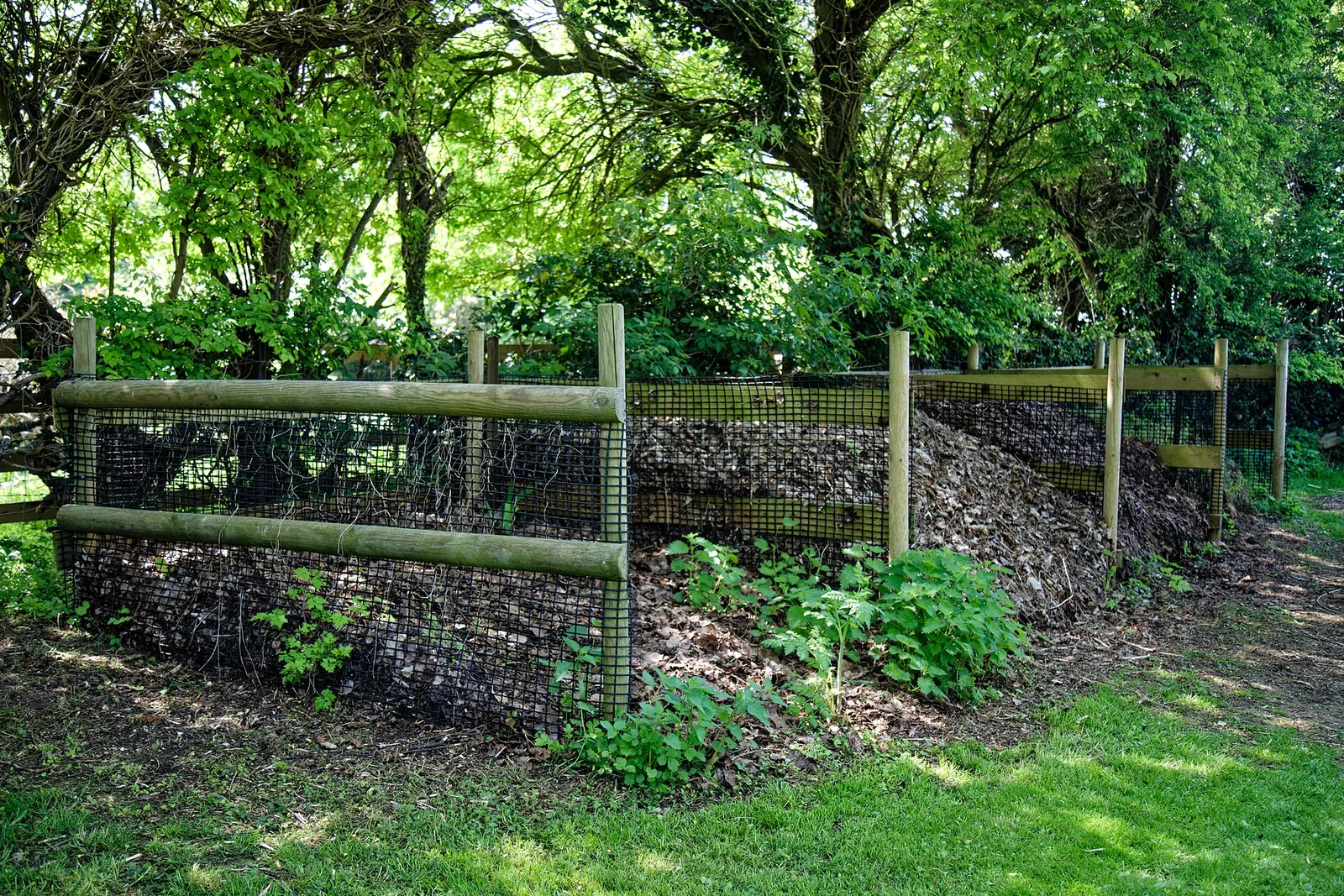
For mostly leaves and plant trimmings, a simple contained pile can work slowly with little attention. A food-scrap system needs better pest exclusion and regular management. A tumbler offers containment but still needs a workable mixture, moisture and time to finish.
Renters should confirm whether a bin is permitted and where it can stand. If there is no practical place to manage it, use an accepted municipal service. Follow that service’s current list of materials; what a commercial facility accepts may be unsuitable for a backyard pile.
Manage materials, air and water
Carbon-rich browns include dry leaves and small amounts of suitable shredded paper. Nitrogen-rich greens include fresh plant trimmings and vegetable scraps. Mix different textures, cover new food scraps with browns and keep a supply of dry material for rainy periods.
A soggy, sour-smelling pile needs air and drier material. A very dry pile may barely change. Aim for damp material rather than a dripping mass, and turn when practical. A pile that does not reliably heat should not be expected to destroy weed seeds or plant pathogens. Keep suspect material out instead of assuming composting will disinfect it.
Know when and how to use it
Finished compost should be comparatively stable, crumbly and earthy, rather than hot or full of recognizable fresh scraps. Allow recently active compost to mature before using it around tender seedlings. Ask a bulk supplier about feedstocks and testing if the compost will be used for food growing.
Compost supplies organic matter and some nutrients, but it is not nutritionally identical to a fertilizer. Repeated large applications can accumulate phosphorus or salts. Review soil testing and the history of previous additions before spreading another layer. Use a suitable soil mix, not straight compost, to fill a raised bed.
Close the loop with a small trial
Test a batch on one bed or pot before ordering a truckload. Note the amount, date and plant response. Store finished compost so it is not repeatedly soaked and washed toward a drain.
Separate a future supply of autumn leaves from the active pile. That simple storage habit makes it easier to manage spring and summer greens. If a particular waste stream creates pests or too much work, change the system or send that material to the appropriate collection service.
Questions that come up
Is every brown leaf a safe compost ingredient?
Most ordinary healthy leaves can be useful, but exclude material contaminated with chemicals or persistent invasive plants, and seek specific advice for diseased plant debris.
Does adding compost mean I can stop thinking about fertilizer?
No. Compost composition varies, and crop nutrient needs and existing soil levels still matter.
Sources & further reading
Independent guidance, with regional extension and primary references. The linked product label and local conditions take priority over a generic schedule.
- Do the rot thing: choosing and using a composting systemOregon State University Extension
- How to use compost in gardens and landscapesOregon State University Extension
- Improving garden soils with organic matterOregon State University Extension